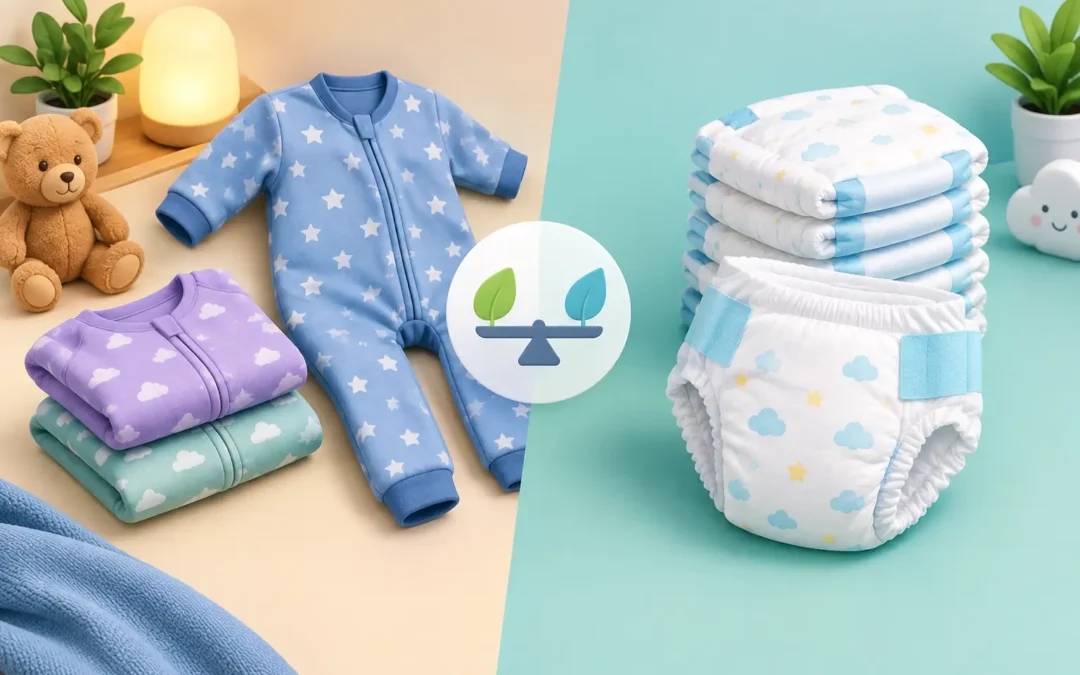
A wet bed at 2am can turn a normal night into a pile of washing, a tired child and a parent trying to keep reassurance ahead of frustration. When comparing reusable sleepwear versus disposable nappies, the right choice is not simply about what absorbs urine. It is about comfort, discretion, independence and what helps your family feel more prepared for tomorrow.
Bedwetting is common and manageable. A practical protection routine can reduce disruption while a child develops bladder control or follows an evidence-based treatment plan. Both disposable products and washable absorbent sleepwear can have a place. Their differences matter most when your child is older, values privacy, or needs dependable protection away from home.
Reusable sleepwear versus disposable nappies: the key difference
Disposable nappies are single-use absorbent products worn under normal nightwear. They are familiar, convenient for occasional use and simple to dispose of after a wet night. For some families, particularly during a short illness, travel disruption or a temporary change in routine, they can be a useful option.
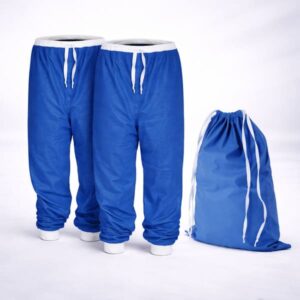
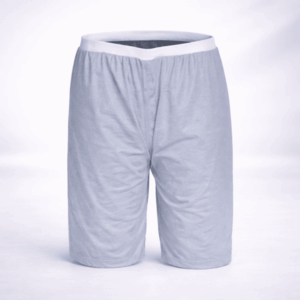
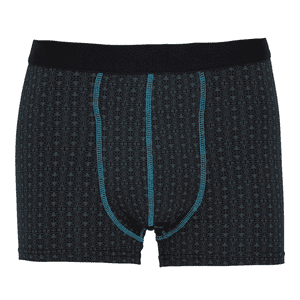
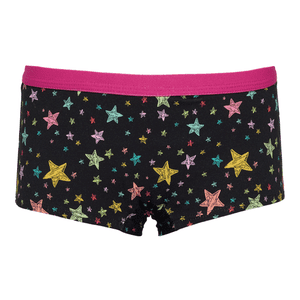
Reusable absorbent sleepwear is designed to look and feel more like ordinary pyjamas while providing built-in protection. Products such as Pjama Protect combine absorbent textile layers with a waterproof membrane, so the garment helps contain a wetting episode before it reaches bedding. After use, it is washed and worn again.
This design changes the night-time experience. Rather than putting on a product that may feel associated with being younger, a child can put on sleepwear. That distinction can be meaningful for school-age children, teenagers and adults who want protection without drawing attention to their continence needs.
Comfort and dignity at bedtime
The best protection is the one a child will actually wear comfortably. Disposable nappies may feel bulky, warm or noisy beneath pyjamas, especially for older children who move frequently in their sleep. Fit can also be difficult if a child falls between standard sizes or has outgrown products designed for toddlers.
Washable protective sleepwear is often closer to a usual bedtime routine. A well-fitting garment should allow movement, feel soft against the skin and sit discreetly beneath bedding. It can help a child manage sleepovers, school trips and holidays without needing to explain a visible continence product to friends or carers.
That said, absorbent sleepwear is not identical to ordinary cotton pyjamas. More protective layers can feel warmer, and some children need a few nights to adjust. In warmer weather, consider the garment style, room temperature and whether lighter bedding can make bedtime more comfortable.
Dignity also comes from language. Avoid framing either option as a failure or punishment. A simple message works better: this is protection for tonight, so everyone can sleep more easily.
Protection levels and real-life laundry
Disposable nappies generally provide high single-use absorption and can be convenient when there is no access to a washing machine. If an accident is heavy, however, leaks can still happen around the legs, waist or sides, particularly if the fit is wrong or the product becomes saturated.
Reusable sleepwear is intended to reduce the chance of urine reaching sheets and mattresses. The degree of protection depends on the garment, the volume of urine, fit and sleeping position. No wearable product can promise that every heavy wetting episode will leave bedding completely dry, so a waterproof mattress protector remains a sensible layer of defence.
The practical difference comes after an accident. With a disposable nappy, the product is removed and discarded, but pyjamas, sheets or bedding may still need changing if leakage has occurred. With protective sleepwear, parents may often only need to change the sleepwear and place it in the wash. Fewer full bed changes can make a considerable difference at night, particularly in households managing bedwetting several times a week.
It helps to keep a calm change routine ready: a spare garment, clean underwear, a laundry bag and fresh bedding nearby if needed. The goal is not to make an accident a major event. It is to deal with it efficiently and help your child return to sleep.
Cost, waste and washing routines
Disposable nappies have a predictable immediate cost: each wet night requires another product. Over weeks and months, this can add up, especially for families using larger sizes. There is also the ongoing household waste to consider.
Reusable sleepwear has a higher upfront price and requires washing and drying. It may be more economical over time when used regularly, but the calculation depends on how often it is worn, the cost of energy and how many garments are needed to maintain a comfortable rotation. Families dealing with frequent wet nights may prefer two or more pairs so there is always a clean option available.
Washing should follow the garment care label carefully. Rinsing or storing used sleepwear appropriately until wash day, using the recommended cycle and avoiding fabric treatments that can affect absorbency will help maintain performance. A reliable routine matters more than perfection. If you are travelling without laundry facilities, disposable products may still be the most practical short-term choice.
When disposables may be the better fit
There is no need for an all-or-nothing decision. Disposable nappies can make sense for an overnight stay where washing is not possible, a long journey, a temporary illness, or a child who is not yet comfortable with washable sleepwear. They may also be useful as a backup while you work out which reusable style and size suits your child.
Some children strongly prefer the familiarity of disposables. Listen to that preference. Forcing a change in protection can make bedtime feel stressful, which is rarely helpful for sleep or confidence. You can revisit the conversation later, perhaps by allowing your child to choose a sleepwear style or try it first at home.
When reusable sleepwear can make night-times easier
Washable sleepwear is particularly useful when bedwetting is ongoing and families want a more sustainable, discreet routine. It can support independent changing, reduce the visual reminder of continence care and make packing for an overnight visit feel more ordinary.
For parents, the benefit is often less about avoiding every wash and more about reducing the scale of each incident. A protected mattress, absorbent sleepwear and a prepared change routine can contain the practical work. That leaves more room for reassurance and rest.
For adults with bedwetting, the same principles apply. Comfortable, washable protection can offer privacy at home or when sharing accommodation, without compromising the need for dependable night-time care.
Protection is not the same as treatment
Absorbent products manage the effects of bedwetting. They do not, by themselves, treat its cause. For many children, night-time wetting improves naturally with time. For those who need support, a clinician can assess contributing factors such as constipation, daytime bladder symptoms, sleep patterns or emotional strain.
Bedwetting alarms are a recognised first-line treatment for many children when families are ready to use them consistently. They work by alerting the child at the first sign of moisture, helping build the connection between bladder signals and waking. Results take commitment and vary by child, but structured alarm therapy can offer lasting progress rather than simply managing wet nights.
If your child is seven or older and wets regularly, or if bedwetting begins again after at least six dry months, speak to a GP or continence professional. Seek advice sooner if there is pain when urinating, unusual thirst, constipation, daytime wetting, snoring or concerns about your child’s wellbeing.
Choosing a routine your child can live with
Ask a few practical questions before deciding: How often are wet nights happening? Does your child need protection for sleepovers or school trips? Can you wash and dry garments easily? Most importantly, what will help your child feel comfortable and in control?
Reusable sleepwear can be a strong everyday choice for families who value discreet protection and a lower-waste routine. Disposable nappies remain useful when convenience, travel or limited laundry access comes first. Many families use both at different times.
A calm night-time plan will not solve bedwetting overnight, but it can protect sleep, confidence and family relationships while progress happens. Give your child protection that feels respectful today, and make space for the support that can lead to drier nights ahead.