A wet bed should not decide whether you sleep soundly, share a room, stay with family or travel overnight. Discreet nightwear for adult incontinence provides a practical layer of protection while looking and feeling closer to ordinary sleepwear. For many adults, that difference matters: less disruption, less laundry and more confidence at bedtime.
Night-time incontinence is a health challenge, not a personal failing. It can be linked to many factors, including bladder conditions, medication, reduced mobility, neurological conditions, sleep disorders or changes that need medical assessment. The right nightwear cannot diagnose the cause, but it can make tonight more comfortable while you build a routine and seek support where needed.
What discreet nightwear needs to do
The best protective nightwear balances three jobs: it needs to absorb fluid, stop moisture reaching the bed and remain comfortable enough to sleep in. If one part is missing, the solution often creates a new problem. Highly absorbent clothing that feels bulky may disturb sleep; a soft garment without an effective waterproof layer may leave bedding vulnerable.
Absorbent sleepwear is designed to hold fluid close to the body while a waterproof yet breathable barrier helps protect the mattress. Unlike a disposable pad alone, it moves with you. That can be useful for people who turn during sleep, sleep on their side or find that a product placed on the bed shifts overnight.
Discretion is not only about how a garment looks. It is also about being able to get dressed without a complicated routine, wash the item at home and feel comfortable if another person sees it. A familiar pyjama-style design can make protection feel like part of bedtime rather than a medical procedure.
Choosing nightwear for adult incontinence
Start with the amount and pattern of leakage. Light, occasional leaks may call for a different approach from a full bladder emptying during sleep. Reusable absorbent nightwear can be a strong choice for moderate night-time wetting, particularly when the priority is reducing wet sheets and protecting the mattress. For heavier or frequent wetting, it may work best alongside other protection, such as suitable continence products and a washable or waterproof bed layer.
Fit deserves as much attention as absorbency. A garment that is too loose can leave gaps around the waist or legs, allowing fluid to escape before the absorbent area can do its job. One that is too tight may feel uncomfortable, leave marks or make changing harder. Check the manufacturer’s size guide and choose the fit that allows easy movement without excess fabric bunching beneath you.
Fabric feel is equally important. Soft, breathable materials can help reduce overheating and make it easier to wear protection consistently. Look for nightwear with a waterproof membrane designed to be worn against the skin, rather than relying on plastic-feeling materials that may trap heat. If you have sensitive skin, consider whether seams, labels and elastic sit comfortably, and change out of damp clothing promptly to protect the skin.
Reusable nightwear versus disposable products
There is no single best option for every person. Disposable products can be convenient for travel, hospital stays or nights when laundry access is limited. They may also be appropriate when the volume of leakage is high. However, some adults find that the feel, noise or bulk affects their confidence and rest.
Reusable nightwear offers a more clothing-like solution. It can reduce the number of disposable products used and provide dependable bedding protection night after night, provided it is washed and dried according to the care instructions. The trade-off is practical: you need enough garments to cover your washing routine, especially if leaks happen several times a week.
For people who need maximum protection, a layered approach is often the most realistic. Nightwear protects the wearer and manages the first part of a leak; a mattress protector or washable bed pad provides backup. This approach can reduce the chance of needing to strip the whole bed at 2 am.
A calmer night-time routine
Good protection works better when it is part of a simple, repeatable routine. Keep clean nightwear, spare bedding and wipes within easy reach. If mobility is limited, make sure the route to the bathroom is clear and that a light is available without needing to search for a switch. Small changes can make an overnight interruption less stressful.
Avoid responding by restricting fluids all day. Hydration remains important, and severe restriction can concentrate urine and irritate the bladder. Instead, speak to a healthcare professional about a fluid routine that suits your health needs, particularly if you have heart, kidney or bladder conditions. It may help to reduce caffeine and alcohol in the evening, as both can worsen urgency or increase urine production for some people.
If you wake after a leak, change out of wet clothing as soon as practical. Rinse or store the garment according to its washing instructions, then use your prepared spare. The goal is not perfection. It is returning to sleep with as little discomfort and disruption as possible.
Caring for washable protective sleepwear
Washable protection needs correct care to remain absorbent and waterproof. Follow the garment label first, as temperature and drying advice varies by product. In general, avoid fabric conditioner unless the care guidance specifically permits it. Conditioner can coat absorbent fibres and reduce how effectively they take in moisture.
Do not assume that a higher wash temperature or harsher detergent will always improve hygiene. Use the recommended cycle and detergent amount, and make sure items are fully rinsed. If odour persists after washing, check whether too much detergent, a crowded machine or insufficient drying is the cause. Repeatedly washing outside the recommended instructions can shorten the useful life of protective textiles.
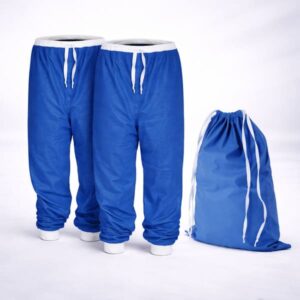
It is worth owning more than one set. Two or three garments can make the routine more manageable: one to wear, one ready as a spare and one in the wash. That preparation gives you practical independence and reduces the pressure of dealing with laundry immediately.
When to seek clinical advice
Adult bedwetting, also called nocturnal enuresis when it is ongoing, can have treatable causes. A GP or continence professional can help assess patterns, medications, sleep, bladder symptoms and other health factors. Keeping a simple diary of drinks, toilet visits, wet nights and relevant symptoms for a few days can provide useful information at an appointment.
Seek medical advice promptly if bedwetting starts suddenly, follows a new medication, occurs with pain or burning when passing urine, fever, blood in the urine, marked thirst, weakness, new confusion or changes in bowel control. These symptoms may need timely assessment. The same applies if snoring, breathing pauses or severe daytime tiredness suggest a sleep problem.
For adults who want more than protection alone, management may include bladder training, pelvic floor support, medication review or treatment for an underlying condition. Protection for tonight and clinical support for the longer term can sit side by side.
Protection that supports independence
Discreet nightwear should make life easier, not smaller. It can support a partner who wants to share a bed without constant worry, an adult moving into supported living, or someone planning a weekend away without packing excessive bedding. The value is often in the ordinary moments: going to sleep without rehearsing what might go wrong.
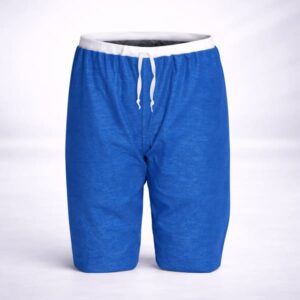
Pjama’s washable protective sleepwear is designed around that principle, combining absorbent textile layers with waterproof protection in familiar nightwear styles. The aim is straightforward: help protect bedding while preserving comfort, dignity and control.
A wet night may still happen. Having protection that fits well, feels comfortable and is ready for the wash means it does not have to take over the next day. Choose the support that helps you rest, then give yourself the same patience you would offer anyone else managing a health condition.