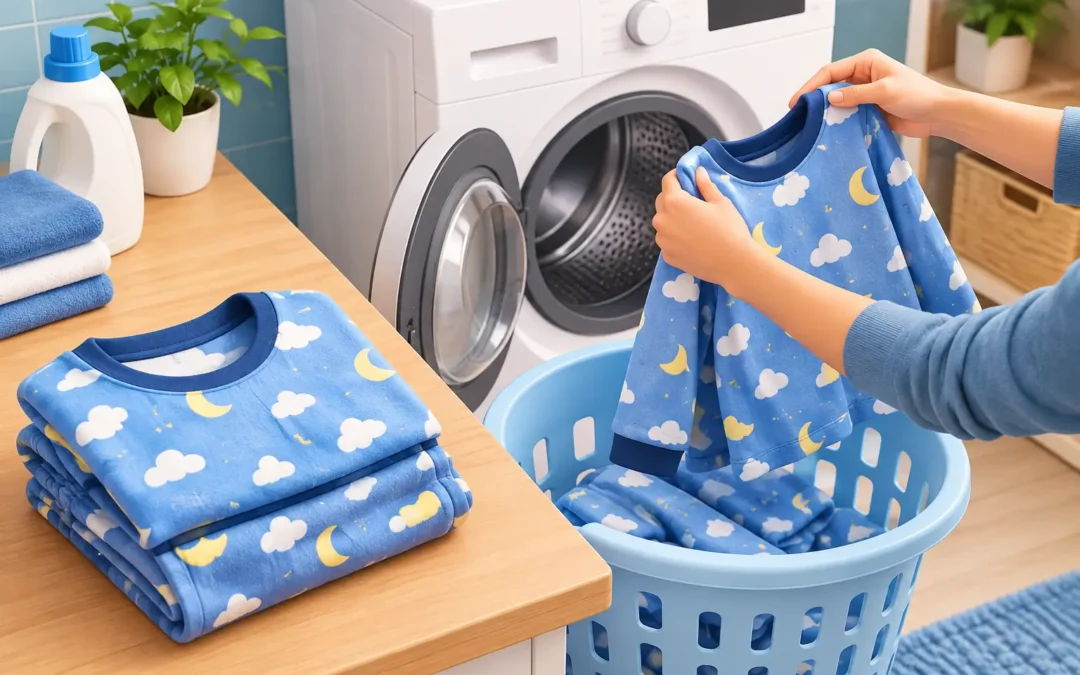
A wet night does not need to become a difficult morning. Knowing how to wash bedwetting pyjamas correctly helps remove urine, protect the absorbent layers and waterproof membrane, and keep comfortable nightwear ready for the next bedtime. A calm, repeatable laundry routine also gives children and adults more independence, without making bedwetting feel like a source of shame.
Start by checking the care label
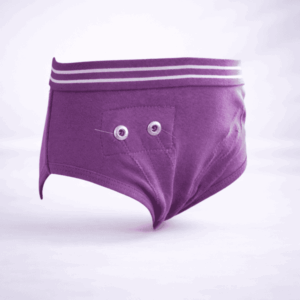
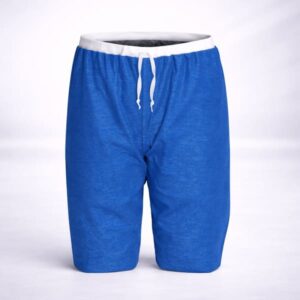
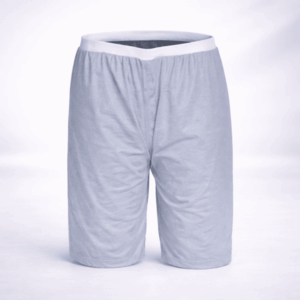
Bedwetting pyjamas are not always made like ordinary cotton nightwear. Reusable protective sleepwear may contain absorbent textile layers alongside a waterproof but breathable barrier. These materials are designed to manage moisture, but high heat, harsh chemicals and the wrong laundry products can reduce their performance over time.
The care label should always lead your routine. It will specify the recommended wash temperature, drying method and whether any particular products should be avoided. If the label conflicts with general laundry advice, follow the label. This is especially important for protective garments with built-in absorbency or a waterproof layer.
Before washing, separate the pyjamas from heavily soiled items such as muddy clothing or towels covered in cleaning products. They can usually be washed with similar-coloured everyday laundry, provided the garment’s care instructions allow it. Keeping a second pair available can make this routine much less pressured after a wet night.
How to wash bedwetting pyjamas after a wet night
If possible, rinse the affected area in cool water soon after the pyjamas are removed. This helps dilute urine and prevents it from drying into the fabric. There is no need to scrub aggressively. Firm scrubbing can wear absorbent fibres and may push soil deeper into the material.
Place the garment in the washing machine and use the temperature stated on its label. For many reusable protective fabrics, a warm wash is effective for everyday hygiene while being gentle enough for repeated use. Higher temperatures are not automatically better. Heat can be useful for some laundry, but it can also affect elastic, waterproof coatings and technical fabrics.
Use a normal amount of mild detergent. More detergent does not mean cleaner pyjamas. In fact, excess detergent can remain in the fibres, make the fabric feel stiff and contribute to lingering odours. Choose a detergent that suits sensitive skin if the wearer is prone to irritation, and make sure the machine is not overloaded so water can move freely through the garment.
For a load that smells strongly of urine, an extra rinse can help remove detergent and residue. If an odour remains after washing, repeat the wash rather than masking it with heavily fragranced products. Persistent smells are often caused by residue trapped in the fabric, not a lack of perfume.
Skip fabric conditioner and harsh bleach
Fabric conditioner can coat fibres and reduce how efficiently absorbent materials take in liquid. This matters particularly for bedwetting pyjamas designed to draw moisture away from the skin. Unless the care label specifically says otherwise, it is best to leave it out.
Chlorine bleach and strong stain removers can also damage colours, fibres and waterproof components. They may seem like a quick answer after a difficult night, but repeated use can shorten the life of the garment. A suitable detergent, correct washing temperature and thorough rinsing are usually the more reliable long-term approach.
Treat stains without damaging the fabric
Urine does not always leave a visible stain, especially when washed promptly. If a yellow mark remains, rinse it first in cool water and apply only a mild treatment approved for the fabric type. Test any product on a discreet area if the care label does not give clear guidance.
Avoid leaving wet pyjamas in a closed laundry basket for long periods. This is when odour becomes harder to remove and mildew can develop. If washing cannot happen straight away, hang the garment somewhere with airflow until it can go in the machine. A breathable laundry bag is a better temporary option than a sealed plastic bag.
It can be tempting to pre-soak every wet garment, but this is not always necessary. A prompt rinse and standard wash are often enough. Prolonged soaking may be unsuitable for some waterproof fabrics, so it depends on the pyjamas and the manufacturer’s instructions.
Drying bedwetting pyjamas safely
Drying is where many protective garments receive accidental damage. High tumble-dryer heat can weaken elastic, shrink fabric and affect the waterproof barrier in some designs. Air drying is usually the gentlest choice, ideally in a well-ventilated room or outdoors away from intense direct sunlight.
Turn the pyjamas inside out before hanging if the care label recommends it. Make sure absorbent areas are fully dry before folding or wearing them again. A garment that feels dry on the outer surface may still hold moisture in thicker sections, so allow extra time after washing.
If the label permits tumble drying, use the lowest suitable heat setting and remove the pyjamas as soon as they are dry. Do not place them directly on a radiator or use an iron unless the care instructions explicitly allow it. Concentrated heat can compromise technical materials.
Build a routine that protects confidence
Laundry works best when it is treated as a practical household task, not a consequence of bedwetting. Keep spare pyjamas, clean bedding and a discreet place for used nightwear within easy reach. Older children may prefer to place their pyjamas in the wash themselves or help prepare the next set for bedtime. That small amount of control can support confidence.
A simple morning routine might be: remove the pyjamas, rinse if needed, place them in the wash, shower or wash, and get dressed for the day. Keep language neutral. Saying “let’s get these washed” is more helpful than drawing attention to the wet night.
Protective sleepwear can reduce disruption by containing moisture and reducing the need to change all the bedding after every accident. Pjama Protect sleepwear is designed as washable, discreet night-time protection, helping families focus less on emergency laundry and more on rest. Even so, following the individual garment’s care label remains essential for maintaining absorbency and comfort.
When laundry is not the only concern
Bedwetting is common and manageable, especially in childhood. Clean, reliable pyjamas can make nights easier, but they do not need to be the whole plan. If wetting is new after a sustained dry period, or happens alongside pain when passing urine, constipation, unusual thirst, daytime wetting or changes in wellbeing, speak with a GP or continence professional.
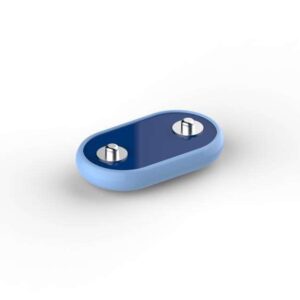
For families seeking lasting dry nights, clinically guided alarm therapy and progress tracking may be appropriate. The right approach depends on the child’s age, pattern of wetting, sleep habits and health history. Support should be personalised, kind and free from blame.
A well-washed pair of bedwetting pyjamas is more than clean laundry. It is a practical reset for the next night, and one less thing for a family to worry about.