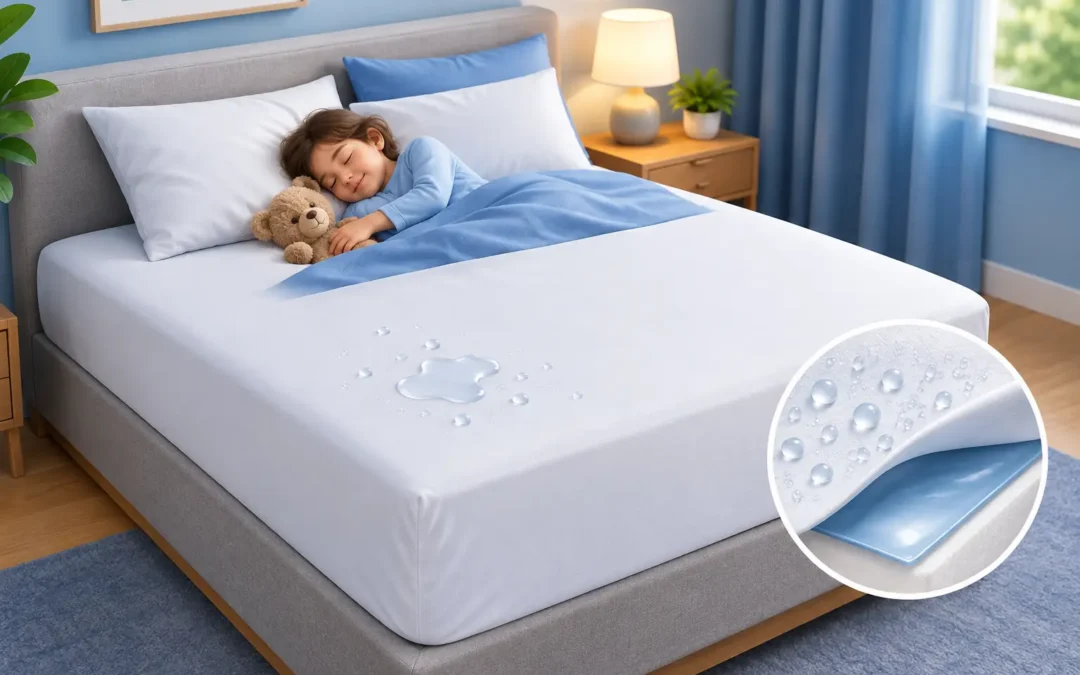
A wet bed at 2 am can turn a small accident into a full bedding change, a disrupted night and a worried child by breakfast. Waterproof bed sheets create a practical layer of protection between the sleeper and the mattress, so families can respond calmly, protect the bed and get back to rest.
For children with bedwetting, this protection is not about hiding a problem. It is about making nights feel manageable while they grow, follow a treatment plan or simply need more time. Adults managing incontinence deserve the same discreet, comfortable support.
What waterproof bed sheets actually do
The term can describe several products, and the difference matters. Some waterproof bed sheets are thin fitted sheets with a waterproof membrane. Others are absorbent, washable bed pads that sit on top of the fitted sheet, while some combine an absorbent upper layer with a moisture barrier underneath.
A well-designed sheet or protector should absorb fluid quickly, hold it away from the skin and stop it reaching the mattress. This protects the most difficult item to clean and dry, while reducing the amount of bedding that must be changed after an accident.
They are particularly useful when a child is learning to manage bedwetting independently. Rather than stripping every layer of bedding, a parent may only need to remove the wet protective layer and replace it. That can mean less disruption for everyone, especially on school nights.
Protection also supports dignity. Children often worry that a sibling will notice, that a friend may find out at a sleepover, or that they are the only one dealing with this. A quiet, familiar bedtime routine can help take some of the pressure out of those concerns.
Choosing waterproof bed sheets that work for your household
The right option depends on how much protection is needed, who will be using it and how the bed is normally made. Mattress size is only the starting point. Consider whether the sheet stays in place through a restless night, whether it feels comfortable against skin and whether it can cope with the volume of fluid expected.
Look for absorbency as well as a waterproof barrier
A waterproof membrane alone prevents fluid travelling downwards, but it does not necessarily deal comfortably with moisture on the surface. For bedwetting, an absorbent upper layer is often more helpful because it draws in fluid rather than leaving it to pool.
This is a balance. Heavier, highly absorbent products can offer greater reassurance, but may take longer to wash and dry. Lighter protectors are easier to manage and useful for occasional accidents, travel or sleepovers, but may need changing sooner after a larger wetting episode.
Prioritise comfort and quiet fabrics
A crinkly or plasticky sheet can make a child feel different at bedtime and may disturb light sleepers. Look for soft textile surfaces and a breathable waterproof layer. A fitted design usually feels more like ordinary bedding and is less likely to bunch up during the night.
If your child has sensitive skin, check the care guidance and avoid heavily fragranced detergents. A dry, smooth surface is generally more comfortable than a loose pad that shifts or wrinkles beneath pyjamas.
Think through the 2 am change
The best protection is not only the product that works on paper. It is the one your household can use easily when everyone is tired. Some families layer the bed with a waterproof fitted sheet, a regular sheet and an absorbent protector on top. Others keep a spare protector and clean pyjamas beside the bed.
There is no single correct set-up. The goal is a quick, low-fuss reset that keeps the mattress dry and lets the child return to sleep without a long interruption.
How to use waterproof bedding without making bedwetting the focus
Bedwetting is common, and children do not choose it. Use neutral language when preparing the bed: this is simply part of their sleep set-up, like a duvet or nightlight. Avoid announcing checks, discussing wet nights in front of others or treating a wet bed as a setback.
Involve children at a level that suits their age. A younger child may help choose their spare pyjamas. An older child may prefer to know where clean bedding is stored so they can take part in changing it. Independence can be reassuring, but they should never feel responsible for managing a difficult night alone.
For trips, packing a compact waterproof sheet or absorbent pad can reduce anxiety for everyone. It is useful for holidays, overnight stays with grandparents and school residentials, where protecting an unfamiliar mattress may make it easier to say yes to the experience.
Washing and caring for waterproof bed sheets
Reusable bedding protection is designed to make life easier over time, but its performance depends on following the care label. Wash a wet sheet or protector as soon as practical. Rinsing it in cool water first can help prevent odour and makes the main wash more effective.
Use the recommended wash temperature and a standard detergent. Fabric conditioner, bleach and high heat can affect some waterproof coatings, so only use them where the manufacturer specifically allows it. Dry thoroughly before putting the item back on the bed, as trapped damp can lead to odour.
Keeping two or three protectors in rotation is often more realistic than relying on one. One can be on the bed, one can be ready for a change and one can be in the wash. This small preparation prevents a late-night accident from becoming a laundry emergency.
Protection for tonight and support for lasting dry nights
Waterproof bedding protects sleep, but it does not treat the cause of bedwetting. For many children, bedwetting improves with time. For others, an evidence-based approach such as alarm therapy can help build the connection between a full bladder and waking up.
If your family is considering an alarm, bedding protection remains useful during treatment. Early treatment nights can include wet episodes, and a dry, protected mattress reduces the practical burden while the child learns. The most effective approach is one that the family can sustain with consistency and encouragement.
Pjama combines washable textile protection with clinically tested alarm treatment options, helping families separate two needs that are both valid: protection for the night ahead and structured support towards progress. A treatment plan should fit the child, their sleep patterns and the family’s capacity. It should not rely on blame, punishment or restricting fluids without professional guidance.
Speak to a GP or continence professional if bedwetting begins suddenly after a child has been dry, occurs alongside daytime bladder symptoms, constipation, pain, excessive thirst or changes in wellbeing. Professional advice is also valuable when bedwetting is causing significant distress or when a family needs more personalised care.
A calmer way to handle wet nights
Waterproof bed sheets cannot remove every interrupted night, but they can remove much of the rush, mess and worry around one. Prepare the bed, keep a spare layer close by and make the response matter-of-fact. Every protected night gives children and adults more space to rest, feel comfortable and keep moving forward with confidence.